Stop Performing Realness: The Authenticity Aesthetic Is Just a Better Costume
Somewhere between the curated flat lays of 2016 and the deliberately messy "no-filter" selfies of today, something broke. We traded one kind of performance for another and convinced ourselves the second one was freedom.
The authenticity era was supposed to fix everything. Creators got tired of the glossy, aspirational feeds. Audiences got wise to the game. Brands started talking about "genuine connection." And somewhere in that cultural pivot, a new rulebook got written — one that just happens to be equally exhausting, equally calculated, and in some ways, even harder to escape.
Because here's the thing nobody wants to say out loud: performing realness is still performing.
The Algorithm Wants Your Feelings, Not Your Art
Spend ten minutes on any major platform and the pattern becomes obvious. Vulnerability converts. Breakdown posts go viral. The creator who cries on camera gets more engagement than the one who spent three weeks on a beautifully rendered digital piece. TikTok's structure practically rewards the unfiltered confessional — shaky camera, puffy eyes, a caption like "I almost quit today."
And look, sometimes that's genuine. Real people have real hard days, and there's something genuinely meaningful about a community that shows up for that. But the second the algorithm starts rewarding vulnerability, vulnerability becomes a strategy. You can feel it in the content — the way certain emotional beats get deployed at just the right moment, the way "I'm struggling" posts tend to arrive conveniently before a new launch or a follower dip.
Creators aren't villains for figuring this out. They're just adapting to the environment. But the environment is warped, and that warping has real costs.
Authenticity as Aesthetic: The New Performance You Didn't Know You Signed Up For
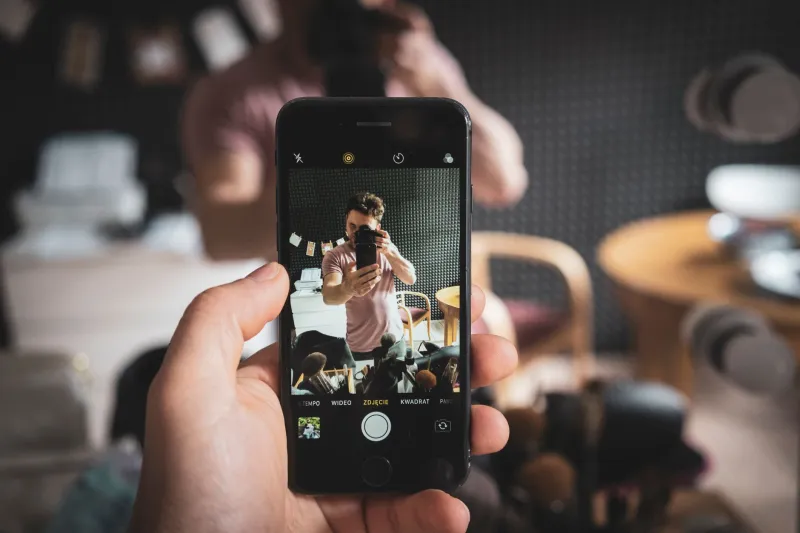
What does "authentic" even look like in 2024? Apparently: messy buns, ring-light shadows left deliberately visible, casual typos in captions, oversharing about mental health, and a general air of "I just threw this together." There's a whole visual grammar to it — one that takes significant effort to execute convincingly.
Digital artists and designers know this tension intimately. The pressure isn't just to make good work anymore; it's to make good work and narrate your emotional journey through making it and do that narration in a way that feels spontaneous and still hits the right posting cadence. The process content — the behind-the-scenes, the "here's what I was going through when I made this" — has become as mandatory as the finished piece itself.
At some point, the performance of your inner life starts to compete with actually having one.
The Exhaustion Nobody Wants to Admit
Emotional labor is real, and what platforms are asking of creators is a lot of it. Therapists, nurses, teachers — we recognize these professions as emotionally demanding. But the digital creator who maintains a "genuine" parasocial relationship with tens of thousands of followers? We mostly just call that content strategy.
The burnout that's quietly sweeping through creative communities isn't just about workload. It's about the specific fatigue of having to mine your own psychology for content on a regular schedule. When your interiority becomes a resource, you start running low. And the cruel irony is that the audience that came for your "realness" will eventually demand to know where it went.
Some creators have started talking about this openly — which, yes, is itself a form of authentic content, which feeds back into the cycle. There's almost no exit ramp.
Can You Actually Be Real Online? (A Genuinely Uncomfortable Question)
Philosophers have been poking at the concept of an authentic self for centuries, and they haven't nailed it down yet, so maybe we shouldn't expect Instagram to crack it. But the digital context adds a layer that's worth sitting with.
Every post is a choice. Every caption is edited, even if only in your head for three seconds before you hit send. The platform interface itself shapes what you're able to say and how you're able to say it. Character limits, image crops, algorithmic incentives — all of it is quietly authoring your "authentic" self alongside you.
There's a concept in performance theory called the "fourth wall" — the invisible boundary between performer and audience. Online, that wall doesn't exist, and yet it kind of has to, because you can't actually let 40,000 strangers into your real interior life without consequence. What you can do is create a version of interior life that feels intimate enough to satisfy the demand. That's not authenticity. That's craft.
And honestly? Craft isn't a dirty word.
The Case for Embracing the Performance
Maybe the move isn't to chase some purer version of realness. Maybe it's to stop pretending the performance isn't happening and start being intentional about what you're actually performing.
Some of the most interesting creators working right now are the ones who've dropped the authenticity pose entirely and leaned into persona — not in the old, polished, aspirational way, but in a way that's consciously constructed and openly so. They're building characters, mythologies, aesthetic universes. They're not pretending to let you in; they're inviting you into something they made.
There's a kind of integrity in that, weirdly. It's honest about what it is. It doesn't ask you to mistake theater for a therapy session.
Digital art has always understood this. A rendered image doesn't apologize for being rendered. A typeface doesn't claim to be handwriting just because it mimics it. The medium is part of the message, and the construction is part of the work.
What Comes After Authentic
The aesthetic cycles fast. Polished gave way to raw, raw is giving way to — what, exactly? Some people think we're heading toward a kind of ironic sincerity, where the performance is acknowledged and the genuine feeling exists inside it rather than despite it. Others think audiences are going to start craving craft again, tired of the emotional oversharing and ready for work that just asks to be looked at.
What seems clear is that the current model is unsustainable. Asking creators to continuously externalize their inner lives in exchange for engagement is going to keep producing burnout, boundary violations, and content that gets hollower the longer it goes on.
The most radical thing a creator might be able to do right now isn't to be more authentic. It's to protect the parts of themselves that never make it into content at all — to recognize that the self that doesn't perform is still a self, and probably the more important one.
Real or not, that's worth something.