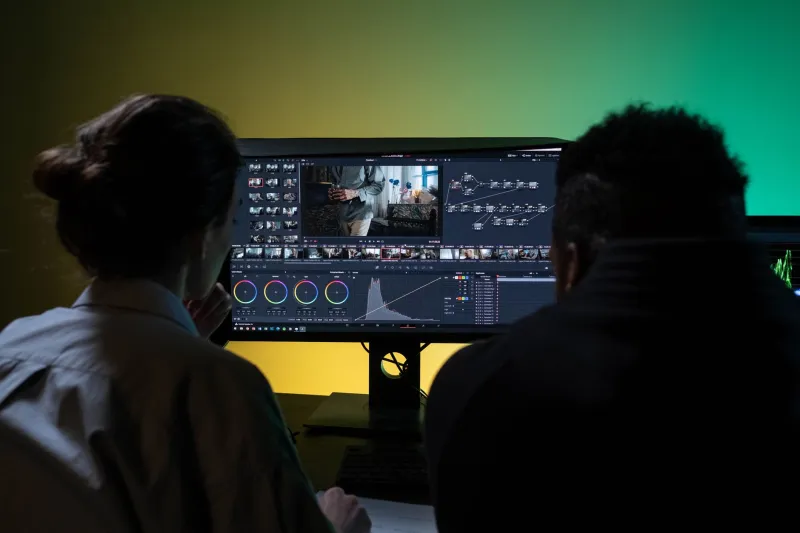
The Graveyard Is the Gallery: Why Creators Are Finally Showing Their Dead Projects
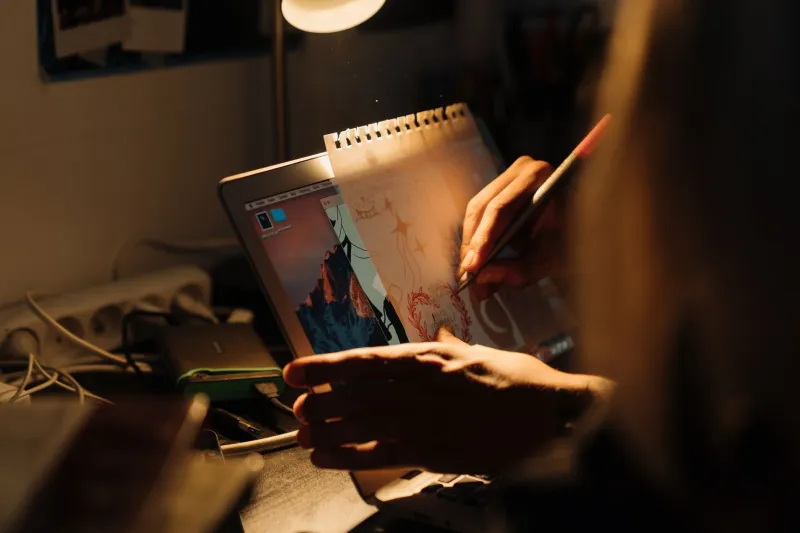
There's a folder on almost every digital artist's hard drive that nobody talks about. You know the one. It's full of half-built websites, cancelled zine concepts, animation tests that went nowhere, and that one experimental typeface you were convinced would change everything before you quietly stopped opening the file. For years, the unspoken rule was simple: you keep that folder to yourself. You move on. You post the finished stuff.
But something is shifting. Quietly, then loudly, creators across the US are cracking those folders open — and turning the wreckage inside into the actual work.
From Shame File to Statement Piece
Call it the rehabilitation of the abandoned project. What used to be a source of low-grade creative embarrassment — the thing you started, the thing you couldn't finish, the thing that never quite became what you imagined — is getting reframed as something worth looking at. Not despite the failure, but because of it.
Artists are sharing these projects on Instagram stories with the kind of casual confidence usually reserved for polished portfolio pieces. Designers are building entire exhibition concepts around work that never shipped. Digital illustrators are posting "what this was supposed to be" threads that pull more engagement than their finished commissions ever did.
The cultural logic here is pretty clear once you see it. In an online creative economy that rewards consistency and completion above almost everything else, showing the thing that didn't work is genuinely transgressive. It's a refusal to perform productivity. It's proof you were swinging for something.
Why Abandoned Work Hits Different Right Now
We're living through a moment of serious algorithm fatigue. Creators who built their entire workflow around what the feed rewards — clean aesthetics, high-volume output, trend alignment — are burning out in very public ways. And audiences are noticing. There's a growing appetite for creative work that feels like it came from a real place, made by someone who actually took a risk rather than followed a content calendar.
Abandoned projects carry that energy automatically. They're time capsules of creative ambition that outpaced execution. They show you where someone's head was at, what they were reaching toward, what they cared about enough to start even when they couldn't see the finish line. That's interesting. That's human. And in a digital landscape increasingly saturated with content that feels engineered rather than felt, interesting and human are genuinely rare.
There's also something specific happening with Gen Z and younger millennial creators that's worth paying attention to. This cohort grew up watching the internet commodify authenticity so aggressively that authenticity itself became a performance. They're suspicious of the polished version. The abandoned project — messy, unresolved, sometimes genuinely bad — reads as more trustworthy than the thing that made it to the portfolio.
Curating the Collapse
What's fascinating is how intentional this is getting. It's not just "here's a thing I gave up on" posted with a self-deprecating caption. Creators are actually thinking about how to present failed work with the same care they'd bring to a finished piece.
Some are writing detailed post-mortems — not the corporate kind, but honest creative narratives about what they were trying to do, where the idea came from, why it fell apart, and what it still means to them. Others are building dedicated archive sections on their personal sites specifically for unreleased and abandoned work. A few are going further, turning cancelled projects into interactive experiences where visitors can explore the fragments and form their own interpretations.
That last move is particularly interesting from a digital art perspective. When you present unfinished work without the scaffolding of authorial intent — without the artist explaining exactly what it "was supposed to be" — you're essentially inviting the audience into the creative process rather than just the creative product. The failure becomes collaborative. The gap between what was imagined and what exists becomes the actual content.
The Risk of Making Failure Aesthetic
Here's the thing nobody wants to say too loudly: there's a version of this that tips into its own kind of performance. When abandonment becomes a brand move — when the "failed project" is curated so carefully that it starts to feel like a content strategy — something gets lost. The authenticity that made these abandoned works compelling in the first place gets hollowed out by the same forces that hollowed out every other aesthetic trend the internet got its hands on.
The creators doing this most genuinely seem to understand that distinction. They're not manufacturing failure for relatability points. They're sitting with actual creative disappointment and finding a way to make it mean something instead of just burying it. That's a different thing entirely, and it's harder than it looks.
There's also a real question about what this practice does to the creative process going forward. If every abandoned project is potentially exhibition material, does that change how you approach starting something? Does it give you more permission to experiment, knowing the experiments don't have to succeed? Or does it create a new kind of pressure — the pressure to fail interestingly?
Dead Projects, Live Conversations
Regardless of where it goes from here, the conversation that abandoned work is generating feels genuinely valuable. When a digital artist posts the thing that didn't work and walks through why, they're doing something that finished work almost never does: they're making their thinking visible. They're showing the decision-making, the dead ends, the moments where the idea was alive before it wasn't.
For other creators, that's often more useful than seeing the polished result. You can learn more from watching someone navigate failure than from studying their success. And for audiences who aren't creators themselves, there's something quietly moving about being let into that space — the part of artistic practice that usually stays hidden because it doesn't photograph well.
Maybe that's the real point. Not that failure is good, or that finishing things doesn't matter, or that the graveyard folder deserves the same status as the portfolio. But that the full picture of what it means to make something — including all the things that didn't make it — is worth seeing. The abandoned project isn't just evidence of what went wrong. It's evidence that someone cared enough to try.
And honestly? That's a better story than most finished work ever manages to tell.